

At Mainspring Recovery, we welcome individuals and families who are seeking compassionate, clinically informed support for opioid and opiate addiction in Virginia. Whether opioid use began with prescribed pain medication, heroin, fentanyl, or another opioid, recovery is possible with the right structure, support, and treatment team. No matter where you are starting from, you deserve care that is respectful, personalized, and focused on helping you build a healthier future.
Opioid use disorder continues to affect individuals, families, and communities across the country. National provisional data reported by the CDC estimated 80,391 drug overdose deaths in the United States in 2024, a 26.9% decrease from 2023, while opioid-involved overdose deaths decreased from an estimated 83,140 in 2023 to 54,743 in 2024. In Virginia, the Virginia Department of Health reported 1,548 drug overdose deaths among Virginia residents in 2024, a 37% decrease from 2023; however, fentanyl, fentanyl analogs, and tramadol were still involved in nearly seven in ten overdose deaths.
These numbers show meaningful progress, but they also remind us that access to effective treatment, relapse prevention support, and long-term recovery planning remains essential. Mainspring Recovery is committed to helping clients stabilize, strengthen recovery skills, and reconnect with hope, health, and purpose.
Opioid addiction can develop gradually and may affect people from all backgrounds. Some individuals begin using opioids after an injury, surgery, or chronic pain diagnosis, while others may be exposed to heroin, fentanyl, or counterfeit pills. What may initially feel like pain relief or emotional escape can progress into tolerance, physical dependence, withdrawal symptoms, cravings, and continued use despite negative consequences.
Because opioid use disorder can impact physical health, mental health, relationships, employment, safety, and daily functioning, treatment should address the whole person—not only substance use. Our team supports clients in developing insight, rebuilding stability, learning relapse prevention strategies, and identifying healthier ways to manage stress, pain, emotions, and relationships.
Opioid recovery often requires structure, compassion, evidence-based care, and ongoing support. At Mainspring Recovery, treatment planning is individualized to each client’s clinical needs, strengths, goals, and level of care. Our services are designed to support stabilization, emotional regulation, recovery education, relapse prevention, family connection, and long-term wellness.
Evidence-based medications for opioid use disorder may be an important part of care for many individuals. The CDC notes that medication treatment for opioid use disorder is associated with reduced risk of overdose and overall mortality, and FDA-approved medications include buprenorphine, methadone, and naltrexone. SAMHSA also identifies medications such as buprenorphine, methadone, and naltrexone as treatment options that can support recovery when used appropriately as part of a comprehensive plan.
A highly structured level of care with 24/7 support for individuals who need intensive stabilization, accountability, and clinical programming.
Supportive housing with clinical services for clients who benefit from a recovery-focused environment while continuing to build daily living and relapse prevention skills.
Intensive day programming that provides structured clinical support while allowing clients to continue practicing recovery skills in a step-down setting.
Flexible outpatient care designed to support clients who need continued treatment while balancing work, family, school, or community responsibilities.
Long-term peer connection and community support to help clients stay engaged, connected, and accountable beyond their primary treatment episode.
Asking for help can feel overwhelming, but you do not have to take the next step alone. Our team is here to answer questions, discuss treatment options, and help determine the appropriate level of care based on your needs. If you or someone you love is struggling with opioid or opiate addiction, contact Mainspring Recovery today to learn how treatment in Virginia can support healing, stability, and long-term recovery.
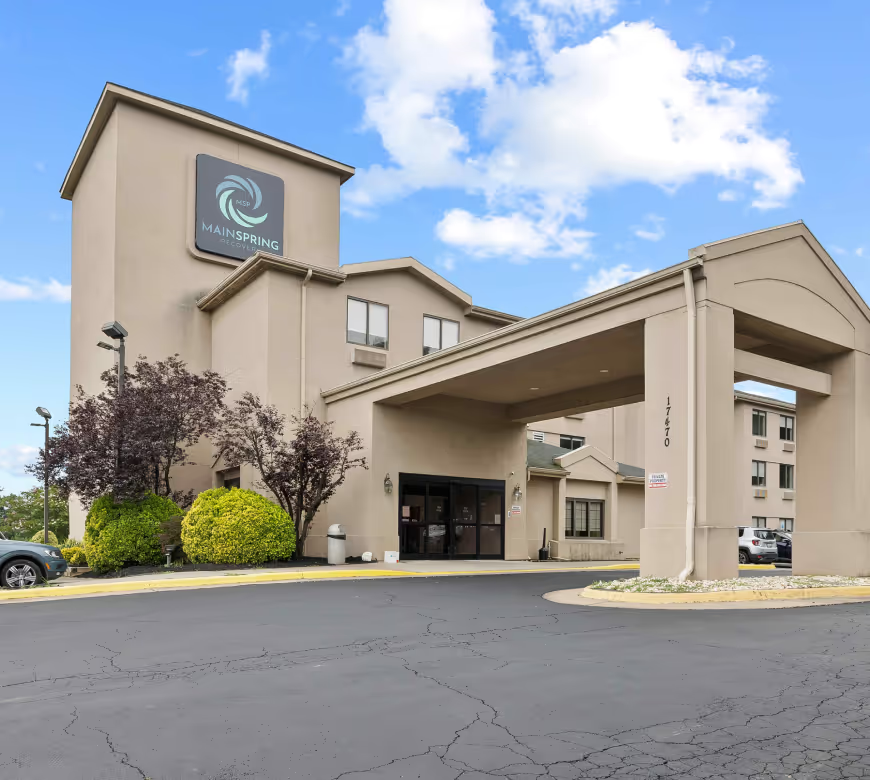





You don’t have to walk the road to recovery alone. At Mainspring Recovery, we know how important it is to have a trusted partner while you leave drugs and alcohol behind. Find a brighter tomorrow by starting with our compassionate team of medical professionals and recovery specialists today at our rehab center in Virginia.
Admissions contact:
Call: 571-583-5115
Fax: 571-749-9420
Email: admissions@mainspringrecovery.com
Emailfor all records requests: medicalrecords@