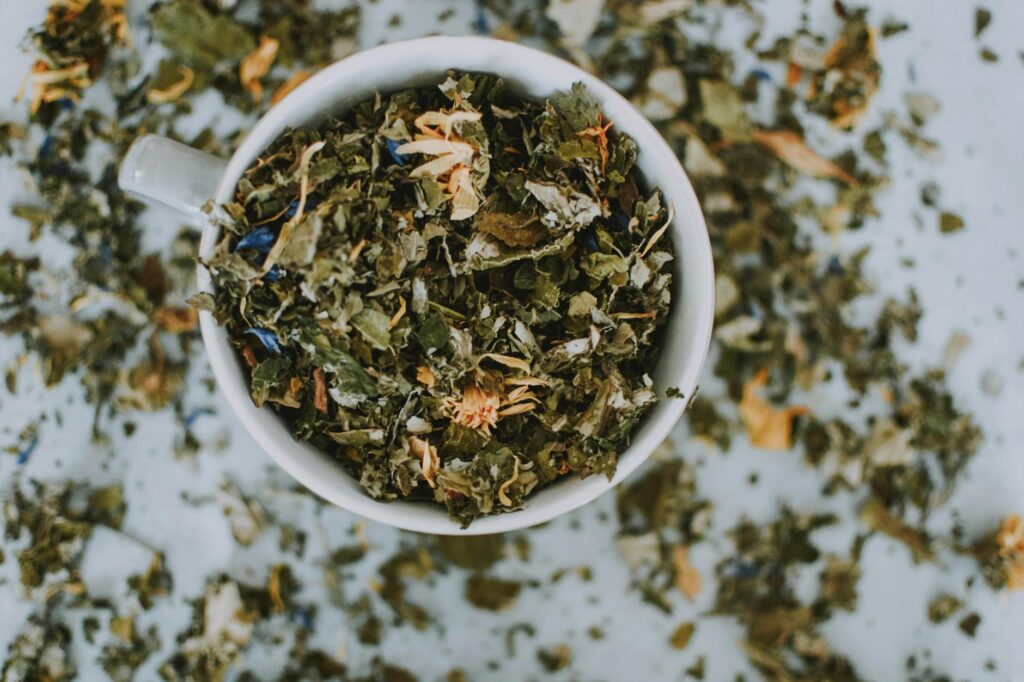
herbal support for recovery
herbs have long been valued for their ability to support recovery processes, particularly in managing stress and promoting relaxation. two notable herbs in this category are ashwagandha and chamomile.
ashwagandha benefits
ashwagandha, a key herb in ayurvedic medicine, has been utilized for thousands of years to enhance various aspects of health. it is particularly effective in boosting energy levels and decreasing anxiety and stress. as an adaptogen, ashwagandha plays a significant role in reducing cortisol levels, which is essential for stress management and overall emotional well-being. furthermore, it has shown potential in reducing pain and inflammation, making it a valuable addition to the recovery process.
benefitdescriptionenergy boostenhances overall energy levels, combating fatigue.anxiety reductionhelps decrease feelings of anxiety and stress.cortisol controlsignificantly reduces cortisol levels, promoting balance.pain reliefassists in alleviating pain and inflammation.
ashwagandha’s efficiency in promoting male sexual health is another aspect that adds to its holistic advantages. it is clear that this herb not only aids in physical recovery but also provides emotional and psychological support throughout the healing journey.

chamomile for relaxation
chamomile has been utilized for centuries and is renowned for its calming effects. this herb promotes relaxation and helps reduce anxiety, making it a suitable companion for those in recovery. its benefits extend beyond just relaxation; chamomile is also known to aid in wound healing and decrease inflammation, thereby addressing multiple health concerns [1]. recent studies suggest that chamomile can facilitate faster wound healing and improve various conditions such as knee osteoarthritis and gastrointestinal disorders.
benefitdescriptionrelaxationpromotes a sense of calm, reducing anxiety levels.wound healingaids in quicker recovery from injuries.inflammation reductiondecreases swelling and inflammation in the body.
in addition to its antioxidant and anti-inflammatory properties, chamomile also exhibits potential antidepressant effects, making it a holistic choice for tackling emotional challenges during recovery. for individuals looking to enhance their healing journey, these five herbs to aid in the recovery process serve as an essential tool in addressing both physical and emotional health needs.
healing properties of herbs
herbs possess remarkable healing properties that can play a vital role in the recovery process. two particularly beneficial herbs are echinacea and garlic, each offering unique support for health and wellness.
echinacea’s immune support
echinacea is well-known for its immune-boosting properties. it helps prevent or shorten the duration of the common cold and flu, making it a popular choice for those looking to enhance their health during recovery. echinacea promotes wound healing, relieves pain, and supports the immune system by reducing inflammation, providing antiviral effects, and acting as an antioxidant.
health benefits of echinaceadescriptionimmune system supportenhances resistance against infectionswound healingpromotes faster healingpain reliefalleviates minor pain from ailmentsantioxidant propertieshelps combat oxidative stress
garlic’s health benefits
garlic is not just a culinary favorite; it is also a powerhouse when it comes to health benefits. garlic has been used traditionally for its medicinal properties, which include antimicrobial and anti-inflammatory effects. it’s known to enhance the immune system, lower blood pressure, and improve cardiovascular health.
garlic’s active component, allicin, has been associated with various health benefits, including immune support and the potential to reduce fatigue, making it an excellent herb for those in recovery [3].
health benefits of garlicdescriptionimmune system boosthelps fight infections and diseasescardiovascular healthsupports heart health by lowering cholesterolanti-inflammatoryreduces inflammation in the bodyfatigue reductionmay lessen fatigue during recovery
incorporating these herbs into a recovery regimen can significantly aid the healing process. for further insights into natural methods of support during recovery, consider exploring the five herbs to aid in this journey.
recovery aid from ginger
ginger is a powerful herb with various benefits that can aid in the recovery process. with its active compounds like gingerol, it has been utilized for centuries to reduce pain and inflammation. ginger offers natural pain relief, providing a holistic approach to managing physical and emotional pain during recovery.
kudzu root for cravings
kudzu root has garnered attention for its potential benefits in recovery, especially for those struggling with alcohol addiction. extensive studies suggest that kudzu may positively impact the brain’s reward system, thereby reducing the desire for alcohol. the active compounds in kudzu root, including daidzein and puerarin, are thought to support individuals on their journey to recovery by helping balance energy in the brain and decreasing alcohol cravings.
here’s a summary of kudzu root’s key benefits:
benefitdescriptionreduces cravingshelps diminish the desire for alcohol, supporting recovery from addiction.supports brain balanceinfluences neurotransmitter function associated with reward systems in the brain.
rhodiola rosea for stress
rhodiola rosea is recognized for its adaptogenic properties, which help the body resist stress. this herb can effectively reduce anxiety and promote relaxation, making it beneficial for individuals navigating the recovery process. studies indicate that rhodiola rosea decreases stress hormone levels and supports healthy neurotransmitter function, enhancing mood and relieving tension [4].
key advantages of rhodiola rosea include:
benefitdescriptionreduces stresshelps to alleviate symptoms of anxiety and stress.supports moodpromotes overall emotional well-being, aiding in recovery.
incorporating these herbs, among the five herbs to aid in the recovery process, can support individuals in their healing journey. understanding their properties can empower individuals to make informed choices for their health as they work towards recovery.
additional herbs for support
in the journey of recovery, certain herbs can provide additional support. st. john’s wort and valerian root are two notable herbs that can aid in this process.
st. john’s wort benefits
st. john’s wort has demonstrated potential in reducing cravings and withdrawal symptoms associated with addiction. it has been studied in relation to substances such as cocaine, alcohol, and nicotine. the active ingredients in st. john’s wort influence the brain’s neurotransmitters, helping to maintain balance and possibly lessen the desire for addictive substances [4]. this makes it a valuable herb for individuals looking to improve their recovery outcomes.
benefiteffectreduces cravingshelps manage addiction-related impulsesalleviates withdrawal symptomssupports smoother transitions during recovery
valerian root for calmness
valerian root is renowned for its calming effects on the nervous system. it promotes relaxation and can improve sleep quality, making it particularly beneficial for individuals facing anxiety during the recovery process. valerian root is believed to act on gabaergic mechanisms, which play a crucial role in reducing stress reactivity [4]. by supporting better sleep and relaxation, valerian root can help individuals navigate the challenges of recovery more effectively.
benefiteffectpromotes relaxationaids in reducing anxiety and stressimproves sleep qualityhelps combat insomnia often seen during recovery
incorporating herbs like st. john’s wort and valerian root into a recovery plan can enhance overall well-being. these herbs contribute to managing cravings, withdrawal symptoms, and stress, making them significant allies in the recovery journey. for further insights on recovery and gratitude practices, check our articles on grateful people don’t relapse and increasing alcohol prices decreases alcohol related deaths.
references
[2]:
[3]:
[4]: