
Menopause, Hormones & Cravings
Understand how menopause and perimenopause influence hormones, cravings, mood, and stress, and practical ways to manage urges and support wellbeing.
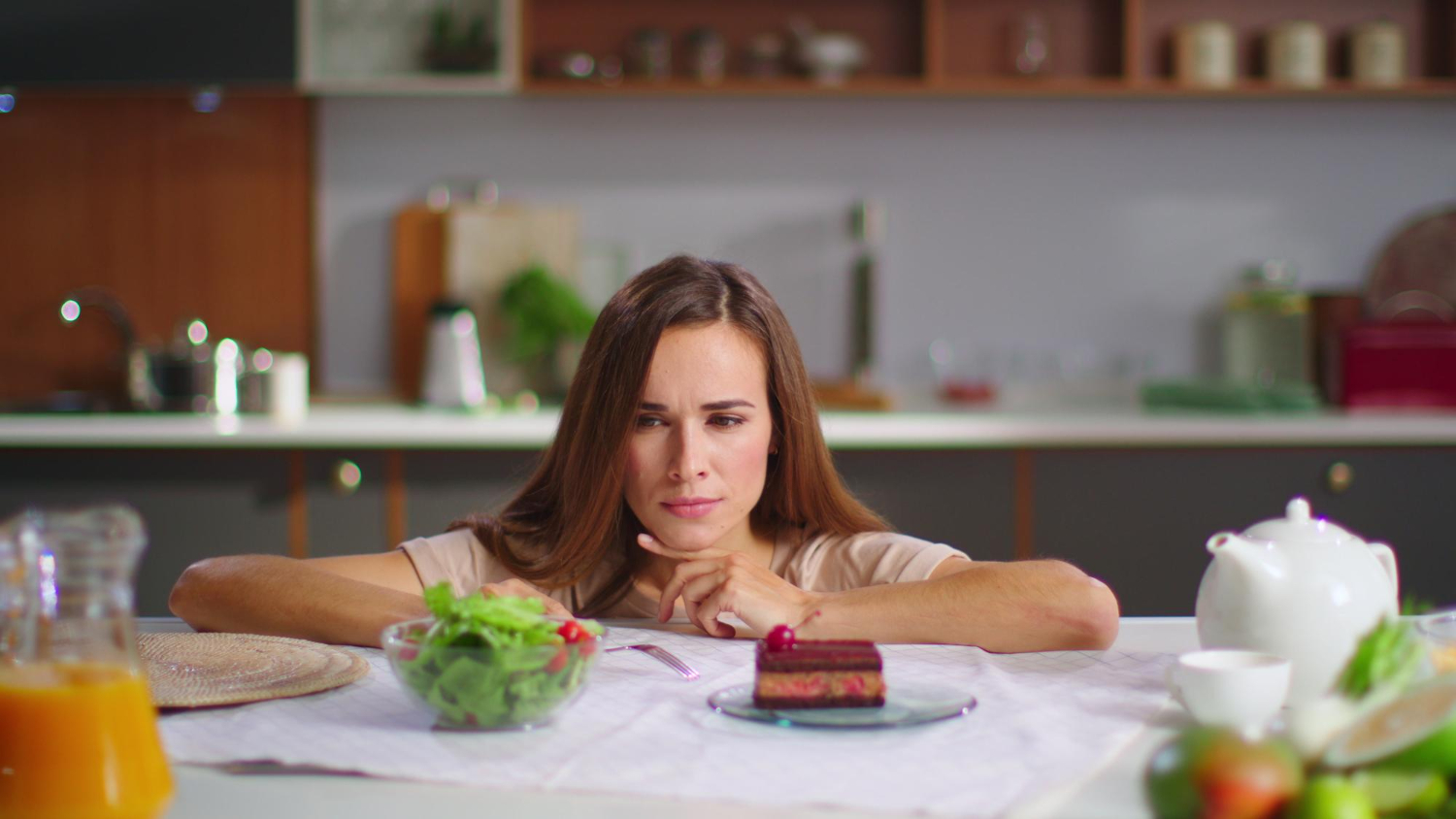
Menopause can change your sleep, mood, body composition, and very often your cravings. Many people in perimenopause or menopause are surprised to find themselves reaching for sugar, comfort food, oran extra drink and then wondering, “What’s wrong with my willpower?”
In reality, cravings in midlife areclosely tied to hormonal changes, the brain’s reward system, and how you cope with stress. If you’re also managing alcohol or drug use or in recovery, those shifts can feel even louder.
This guide explains what’s happening in your body and brain, how menopause and perimenopause can influence cravings, and what you can do to manage them safely.
Understanding Menopause
What is menopause?
Menopause is a natural life stage that marks the end of menstrual cycles. A person is considered to be in menopause when they have gone 12 consecutive months without a period and there is no other medical explanation for the change. Most people reac hmenopause in their late 40s to early 50s, with the average age around 51 in many countries.
The broader menopause transition happens in three parts:
● Perimenopause – the transition years leading up to the final period, when hormones fluctuate and cycles become irregular.
● Menopause – the point 12 months after your last menstrual period.
● Postmenopause – the years after menopause, when hormone levels remain low but more stable.
Common symptoms
Because estrogen and progesterone affect many organ systems, menopause can bring a wide range of symptoms. Not everyone experiences all of them, and severity can vary:
● Hot flashes and night sweats
● Sleep problems (trouble falling or staying asleep)
● Mood changes (irritability, anxiety, low mood)
● “Brain fog” or trouble concentrating
● Weight gain, especially around the abdomen
● Changes in libido and vaginal dryness
● Joint aches or general fatigue
Those same hormonal shifts also influence appetite, metabolism, and reward pathways in the brain, whichis where cravings come in.
The Role of Hormones in Menopause
Estrogen, progesterone, and testosterone
The key hormones in this transitionare:
● Estrogen – supports reproductive function, bone health, temperature regulation, mood, and appetite signals.
● Progesterone – helps regulate the menstrual cycle and can influence sleep and mood.
● Testosterone/androgens – present in smaller amounts but important for libido, energy, and muscle mass.
During perimenopause, hormone levels swing up and down. As you move into menopause and postmenopause, estrogen and progesterone decline overall, and the balance between these hormones and androgens shifts.
How these changes affect symptoms and cravings
Falling and fluctuating estrogen can:
● Disrupt the hormones that regulate hunger and fullness, making it easier to feel unsatisfied and more prone to snacking.
● Change how your body stores fat and uses energy, contributing to midlife weight gain and changes in body shape even if you aren’t eating more than before.
● Influence dopamine and other neurotransmitters involved in reward, motivation, and mood.
When estrogen is lower or very up-and-down, some people feel hungrier, less satisfied after meals, more emotionally sensitive, and more drawn to anything that promises quick comfort, whether that’s food, alcohol, or other substances.
Cravings During Menopause
Emotional vs. physical cravings
Cravings in menopause can be:
● Physical – a powerful urge to eat or drink, often tied to hunger or low blood sugar.
● Emotional – using food, alcohol, or other substances to change how you feel rather than address hunger (for example, eating to soothe loneliness, boredom, or stress).
Many people notice both at once. Youmight feel truly hungry more often and notice that certain emotions nowreliably send you to the pantry, fridge, or bar.
Common food cravings
During menopause, it’s extremely common to crave:
● Sweet foods (chocolate, desserts, sugary drinks)
● Salty foods (chips, fries, packaged snacks)
● High-fat comfort foods (pizza, burgers, creamy or cheesy dishes, ice cream)
This isn’t a character flaw. It’s partly biology: rapidly absorbed sugar and fat briefly boost brain reward chemicals and can feel like a “reset button,” especially when you’re tired or overwhelmed.
Why cravings often increase
Several overlapping factors can drive stronger cravings in midlife:
● Hormonal fluctuations – shifts in estrogen and progesterone affect hunger hormones and how satisfied you feel after eating.
● Metabolic changes – muscle mass tends to decrease and metabolism slows, which can make weight gain easier and increase frustration around food.
● Sleep disruption – night sweats and insomnia can alter hunger hormones and make high-calorie foods more tempting the next day.
● Stress and life load – care giving responsibilities, relationship changes, work pressures, or financial stress are common in midlife and can push people toward emotional eating or substance use.
● Existing vulnerability to addiction – if you’ve previously used alcohol, sedatives, or other substances to cope, the combination of hormonal stress and life stress can crank cravings up further.
Cravings During Perimenopause
What is perimenopause?
Perimenopause is the transition phase before menopause. It often begins in the 40s (sometimes late 30s) and can last anywhere from a couple of years to almost a decade. Periods may become irregular, shorter, longer, heavier, or lighter and symptoms like hot flashes, mood swings, or sleep problems appear intermittently.
Crucially, estrogen in perimenopause doesn’t just go down. It surges and drops, sometimes dramatically.
How cravings show up in perimenopause
Because hormone swings are more extreme, cravings can feel:
● Cyclical – certain weeks bring intense urges for sugar, carbs, or alcohol, similar to very amplified PMS.
● Unpredictable – some days you may have little appetite; other days it feels likea switch flipped and you can’t get enough.
● Strongly emotional – irritability, anxiety, or feeling “not like yourself” can increase the pull toward food or substances as a quick coping tool.
How cravings differ from menopause
Compared with the postmenopausal stage (when hormones are low but steadier), perimenopause tends to be:
● Less predictable – symptoms and cravings can come and go suddenly.
● More confusing – many people aren’t yet aware they’re in perimenopause, so they blame themselves instead of recognizing a hormonal driver.
● Higher risk for “trial anderror” coping – because symptoms are so variable, people may start experimenting with extra alcohol, sedatives, or overeating to get through tough stretches.
For someone with a history of substance use, this can be a risky time if cravings are not addressed early.
Hormones, Dopamine, and Urges
Dopamine and the brain’s reward system
Dopamine is a chemical messenger in the brain that plays a major role in reward, motivation, and learning. When you do something that feels good, eat a favorite food, bond with someone you love, achieve a goal, or use an addictive substance, dopamine helps your brain remember, “This helped me feel better. Do it again.”
Our blog, “Addiction and the Brain: A Guide to Dopamine, Cues,Cravings, and What Helps,” explains how repeated dopamine surges from substance use can reshape the brain’s reward circuits and make cravings more intense and persistent over time.
How estrogen interacts with dopamine
Estrogen doesn’t only act on reproductive organs. It also interacts with the brain’s reward pathways. Research suggests that estrogen can influence:
● How strongly dopamine neurons respond to rewards
● How motivated a person feels to seek out certain experiences
● How sensitive the brain is to cues associated with rewards, including drugs and certain foods
As estrogen levels drop and fluctuate during perimenopause and menopause, some people experience:
● Less motivation for everyday rewards (hobbies, exercise, social connection)
● More interest in fast “feel-better” strategies like sugar, high-calorie comfort food, or substances
● Stronger responses to cues (for example, walking past a bakery or seeing a wine bottle at home)
In other words, hormonal changes can subtly shift what feels rewarding and how intense urges feel, even ifyour life circumstances haven’t changed much.
Emotional responses and impulse control
Low or fluctuating estrogen can also influence other brain chemicals linked to mood and stress response. When you combine:
● More anxiety or low mood
● Less restorative sleep
● More stress in daily life
● A more sensitive reward system
…urges can feel harder to resist. This is especially important for people in recovery, because the same dopamine circuits involved in food cravings also drive alcohol and drug cravings.
Managing Cravings During Menopause and Perimenopause
You cannot stop menopause, but you can support your body and brain so cravings feel less overwhelming and less likely to lead to harm or relapse.
1. Build a steady, balanced eating pattern
Instead of focusing on strict diets, aim for stability:
● Eat regular meals and planned snacks rather than skipping and then overeating.
● Include a protein source (eggs, beans, yogurt, lean meat), fiber (whole grains, vegetables, fruits), and healthy fats (nuts, seeds, olive oil, avocado) at most meals.
● Favor slow-releasing carbohydrates such as oats, brown rice, whole grain bread, and lentils, over only sugary foods and refined snacks. These help keep blood sugar steadier and can reduce sudden, intense sweet cravings.
● Keep nourishing options easy to reach (cut fruit, nuts, yogurt, hummus and veggies), and store high-trigger foods out of sight or in smaller amounts at home.
For people in recovery, this kind of structure also reduces hidden triggers like fatigue, low blood sugar, and “hangry” stress, which can fuel substance cravings.
2. Practice mindful, curious eating
When a craving hits, try to pause long enough to notice what’s driving it:
● Ask yourself: “Am I physically hungry, or am I trying to change how I feel emotionally?”
● If you decide to eat, sit down, slow your breathing, and focus on the first few bites instead of eating on autopilot.
● Notice when taste and satisfaction start to decline; that’s often your body’s cue that you’ve had enough.
● Borrow a technique from addiction treatment called urge-surfing: remind yourself that cravings rise, peak, and then pass. You don’t have to act on every urge.
If food is your main coping tool, pairing mindful eating with broader self-care strategies (see below) can gradually loosen that grip.
3. Move your body in realistic ways
Exercise doesn’t have to be intense or perfect to help. Regular movement can:
● Support metabolism and weight management in menopause
● Boost natural dopamine, serotonin, and endorphins, helping your brain find reward outside of food or substances
● Improve sleep quality and resilience to stress
Aim for approachable steps:
● Short daily walks (even 10–15 minutes at a time)
● Light strength training a couple of times per week to preserve muscle
● Stretching, yoga, or gentle movement for stiffness, hot flashes, and anxiety
Mainspring Recovery often emphasizes movement in treatment programs because it helps retrain the brain’s reward system in a healthier direction.
4. Tend to stress, sleep, and emotional health
Because stress and poor sleep amplify cravings, caring for these areas is essential:
● Develop a wind-down routine in the evening: dim lights, limit screens, and use calming activities (reading, soft music, breathing exercises).
● Consider relaxation techniques you can use when cravings spike, deep breathing, guided imagery, a short walk, or stepping outside for fresh air.
● If you’re feeling persistently anxious, low, or hopeless, or find yourself using food or substances to numb emotions, counseling or therapy can be extremely helpful.
Trauma-informed and cognitive-behavioral approaches are especially useful during mid life transitions.
Suggested reading: “Understanding the Importance of Self-Care” and “Strategies for Long-Term Sobriety” both highlight how routine, boundaries, and coping skills support long-term recovery. Those same principles apply when hormones are changing.
5. Talk with your healthcare provider about medical options
Medical support may be appropriate for some people, especially when symptoms are severe.
Hormone therapy (HT/MHT)
Modern guidelines from professional menopause societies describe hormone therapy as the most effective treatment for hot flashes and genitourinary symptoms like vaginal dryness. At the same time, it’s not one-size-fits-all. The decision depends on:
● Your age and how long it’s been since menopause
● Personal and family history (for example, breast cancer, blood clots, stroke, heart disease)
● The type, dose, and route of estrogen and whether progesterone is needed
Hormone therapy may indirectly helpwith cravings by improving sleep, mood, and overall comfort, but it is not a primary treatment for addiction or emotional eating. Any decision to start, change, or stop hormone therapy should be made with a licensed clinician who knows your full medical history.
Non-hormonal treatments
For individuals who cannot or prefer not to use hormones, non-hormonal medications and lifestyle interventions can help address hot flashes, mood symptoms, and sleep problems, which can reduce stress-driven cravings.
If you have a history of substance use, it’s very important to:
● Inform your doctor about all past and current substance use.
● Be cautious with medications that have potential for dependence (for example, certain sleep aids or anti-anxiety medicines).
● Ask your addiction treatment team and your menopause provider to coordinate care.
6. When cravings signal a bigger problem
Cravings deserve more attention when you notice:
● Increasing use of alcohol or drugs to cope with sleep problems, hot flashes, or mood swings
● Needing more of a substance to get the same effect
● Hiding your use, feeling unable to cut back, or having repeated “slips” after promising yourself you wouldn’t
● Cravings that feel out of control or are leading to risky situations, conflict, or health problems
At that point, it’s not just about hormones, it’s about addiction risk and safety.
If you’re in Virginia and menopause-related stress is pushing your alcohol or drug use into dangerous territory, Mainspring Recovery can help.
Our team provides state-licensed, CARF-accredited treatment with medical, psychological, and nutritional support. You can start with a confidential conversation with our team.
Conclusion
Menopause and perimenopause are normal stages of life, but the hormonal changes can strongly influence cravings,urges, and coping behaviors. Fluctuating and declining estrogen affects appetite hormones, metabolism, sleep, mood, and the brain’s reward system, all of which help explain why midl ife can feel like someone turned up the volume on your cravings.
Understanding that these changes are biological, not moral failings can be a powerful first step. From there, steady nutrition, realistic movement, stress management, therapy, and (when appropriate) medical treatments can all help you feel more in control.
If cravings are beginning to harm your health, relationships, or recovery, you do not have to navigate this alone.Menopause-aware healthcare providers and addiction specialists, like the team at Mainspring Recovery, can work with you to build a safer, more sustainable path forward.
Read Also: Is it Anxiety or Withdrawl? A Quick, Self-Check
Medical & Safety Disclaimer: This article is for generaleducation only and is not a substitute for professional medical advice,diagnosis, or treatment.
Sources:
● Office on Women’s Health (U.S.)– “Menopause Basics.” (Office on Women's Health)
● World Health Organization –“Menopause” Fact Sheet. (World Health Organization)
● StatPearls/NCBI – “Menopause”clinical review. (NCBI)
● Lizcano F, Guzmán G – “EstrogenDeficiency and the Origin of Obesity during Menopause”; Opoku AA et al.“Obesity and Menopause.” (PMC)
● The Menopause Society (NAMS) –2022 hormone therapy position statement and summary. (PubMed)
● NIDA – “Drugs, Brains, andBehavior: The Science of Addiction”; Volkow ND et al. – “The Neuroscience ofDrug Reward and Addiction.” (National Institute on Drug Abuse)
● Mainspring Recovery – “A Guide to Dopamine,Cues, Cravings, and What Helps”; “Understanding the Importance of Self-Care”;“Strategies for Long-Term Sobriety.” (Mainspring Recovery)
Related articles
.png)
What to Expect in Your First Week of PHP or IOP
.png)
Your Gut, Your Cravings: The Microbiome–Brain Link (With a 7-Day Reset Plan)
Menopause, Hormones & Cravings
.png)
Is It Anxiety or Withdrawal? A Quick, Self-Check
.png)
Holiday Harm - Reduction Playbook
.png)
Burnout & Substance Use: A Prevention Playbook for Workers, Parents, and Managers
Welcome to Mainspring Recovery, The #1 Rehab Center in Virginia
You don’t have to walk the road to recovery alone. At Mainspring Recovery, we know how important it is to have a trusted partner while you leave drugs and alcohol behind. Find a brighter tomorrow by starting with our compassionate team of medical professionals and recovery specialists today at our rehab center in Virginia.
Call: 571-583-5115
Fax: 571-749-9420
Email: admissions@mainspringrecovery.com
Emailfor all records requests: medicalrecordsdumfries@mainspringrecovery.com
